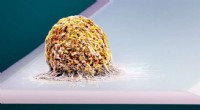
* Cocci: These are spherical or round bacteria. They can be found singly, in pairs (diplococci), in chains (streptococci), in clusters (staphylococci), or in cube-like groups of eight (sarcinae).
* Bacilli: These are rod-shaped bacteria. They can be short and plump or long and thin. Some bacilli are slightly curved, and these are called vibrios.
* Spirilla: These are spiral-shaped bacteria. They can be rigid or flexible.
Here are some examples of bacteria with different shapes:
* Cocci: *Streptococcus pneumoniae* (causes pneumonia), *Staphylococcus aureus* (causes skin infections), *Neisseria gonorrhoeae* (causes gonorrhea)
* Bacilli: *Escherichia coli* (common in the gut), *Bacillus subtilis* (found in soil), *Mycobacterium tuberculosis* (causes tuberculosis)
* Spirilla: *Treponema pallidum* (causes syphilis), *Borrelia burgdorferi* (causes Lyme disease)
It's important to note that the shape of a bacterium can be influenced by its environment and growth conditions. However, the basic shape of a bacterium is generally determined by its cell wall structure and its genetic makeup.