Animals: All animals are heterotrophs. They consume plants or other animals to get the energy and nutrients they need. This includes:
* Insects: They feed on plants, animals, or decaying matter.
* Birds: They eat seeds, fruits, insects, and other animals.
* Fish: They consume other fish, algae, or invertebrates.
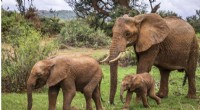
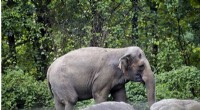
* Mammals: They have diverse diets ranging from plants to meat.
Fungi: Fungi obtain nutrients by decomposing dead organic matter.
Bacteria: Many bacteria are heterotrophs, some are decomposers, and some are parasites.
Parasites: These organisms live in or on another organism (host) and obtain nutrients from them, often causing harm.
Other heterotrophs:
* Viruses: While not technically "living" organisms, they are also heterotrophs, relying on host cells for energy and replication.
* Some protists: These are single-celled organisms that can be heterotrophic or autotrophic.
In short, any organism that cannot make its own food through photosynthesis or other processes is a heterotroph. They rely on consuming other organisms to survive.