Structure
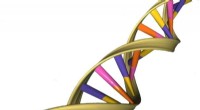
* Refers to the arrangement of parts or components of a system.
* Focuses on the static, spatial arrangement of atoms, molecules, or larger entities.
* Describes the shape, form, and composition of an object or entity.
* Examples:
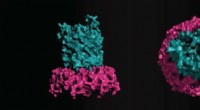
* The structure of a protein refers to the arrangement of amino acids in its polypeptide chain and the folding pattern it adopts.
* The structure of a building refers to its architectural design and the arrangement of its rooms, walls, and floors.
Mechanism
* Explains the process by which something happens or functions.
* Focuses on the dynamic, step-by-step process of how something works.
* Reveals the underlying cause-and-effect relationships and interactions.
* Examples:
* The mechanism of a chemical reaction describes the sequence of steps involved in the transformation of reactants to products, including the formation of intermediates and transition states.
* The mechanism of a clock explains how the gears, springs, and other components interact to keep time.
Here's an analogy:
Imagine a car. Its structure includes its chassis, engine, wheels, and body. The mechanism of the car, on the other hand, explains how these parts work together to propel the car forward. It involves the combustion of fuel, the rotation of the crankshaft, the transmission of power to the wheels, and so on.
Key Differences:
* Structure: Focuses on the arrangement of parts, primarily static.
* Mechanism: Focuses on the process of how parts interact, primarily dynamic.
* Structure: Describes what something is made of and how it looks.
* Mechanism: Explains how something works, the underlying processes involved.
Relationship:
* While structure and mechanism are distinct concepts, they are often interconnected. The structure of a system often determines its mechanism, and understanding the mechanism can provide insights into the structure.
* For example, the intricate structure of an enzyme allows it to bind specifically to its substrate, enabling the catalytic mechanism that it performs.
In summary, structure describes the arrangement of parts, while mechanism explains the process of how they interact and function.