1. Salinity:
* Freshwater biomes: Low salt concentration (less than 1%). Examples include lakes, rivers, ponds, and wetlands.
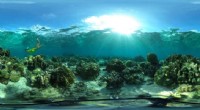
* Marine biomes: High salt concentration (around 3.5%). Examples include oceans, seas, coral reefs, and estuaries.
* Brackish biomes: Intermediate salt concentration. Examples include estuaries and coastal lagoons.
2. Water Depth and Sunlight Penetration:
* Photic zone: Sunlight penetrates, allowing photosynthesis. This zone includes the surface waters of lakes and oceans.
* Aphotic zone: No sunlight penetration, limiting plant growth. This zone includes the deeper waters of lakes and oceans.
* Benthic zone: The bottom of the aquatic biome, where organisms live in or on the sediment.
3. Water Temperature:
* Tropical biomes: Warm water temperatures year-round.
* Temperate biomes: Water temperatures fluctuate with the seasons.
* Polar biomes: Cold water temperatures year-round.
4. Water Flow:
* Lentic systems: Still or slow-moving water. Examples include lakes and ponds.
* Lotic systems: Flowing water. Examples include rivers and streams.
5. Nutrient Availability:
* Oligotrophic waters: Low nutrient levels. These waters are often clear and have low productivity.
* Eutrophic waters: High nutrient levels. These waters are often murky and have high productivity.
6. Substrate:
* Rocky substrates: Found in rivers, streams, and some coastal areas.
* Sandy substrates: Found in beaches, deserts, and some lakes.
* Muddy substrates: Found in wetlands, estuaries, and some lakes.
7. Dissolved Oxygen:
* High dissolved oxygen: Found in flowing waters and surface waters of lakes and oceans.
* Low dissolved oxygen: Found in stagnant waters and deep waters of lakes and oceans.
8. Latitude:
* Equatorial biomes: Warm water temperatures, high biodiversity, and abundant sunlight.
* Temperate biomes: Seasonal changes in water temperature and sunlight.
* Polar biomes: Cold water temperatures, limited sunlight, and lower biodiversity.
9. Altitude:
* High-altitude biomes: Cold water temperatures, low oxygen levels, and limited sunlight.
* Low-altitude biomes: Warmer water temperatures, higher oxygen levels, and abundant sunlight.
By combining these factors, we can understand the unique characteristics and adaptations of organisms living in different aquatic biomes. Each biome supports its own unique community of plants and animals that are adapted to its specific conditions.