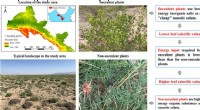
* Temperature: Different plants have different tolerances for cold and hot temperatures. For example, cacti thrive in deserts with high temperatures, while coniferous trees are well-suited to colder climates.
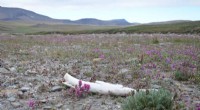
* Precipitation: The amount of rainfall directly impacts how much water plants have access to. Rainforests, with high rainfall, support lush vegetation, while deserts, with very low rainfall, have sparse plant life.
While climate is the primary factor, other factors also play a role:
* Sunlight: The amount of sunlight a biome receives influences which plants can survive and thrive.
* Soil type: Different soil types have different nutrients and drainage properties that can affect plant growth.
* Elevation: Altitude affects temperature and precipitation, influencing the types of plants that can grow.
* Fire: Some biomes experience regular fires, which can shape the plant community.
In summary: Climate is the most important factor determining the types of plants found in a biome. Temperature and precipitation, in particular, are the key climatic variables that dictate which species can survive and thrive in a given environment.