1. Cellular Respiration: This is the primary way organisms produce energy (ATP). Here's how it works:
* Glycolysis: Glucose is broken down into pyruvate, generating a small amount of ATP. This happens with or without oxygen.
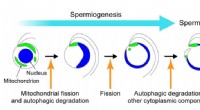
* Krebs Cycle (Citric Acid Cycle): In the presence of oxygen, pyruvate enters the mitochondria and is further broken down, producing more ATP and electron carriers (NADH and FADH2).
* Electron Transport Chain: The electron carriers deliver electrons, powering a series of reactions that ultimately use oxygen to create a proton gradient across the mitochondrial membrane. This gradient drives the synthesis of a vast amount of ATP, the energy currency of cells.
2. Oxidative Metabolism: Oxygen is a powerful oxidizer, meaning it can accept electrons from other molecules. This process is essential for breaking down complex molecules like fats and proteins, generating energy and building new molecules.
3. Maintaining Redox Balance: Oxygen is involved in maintaining the delicate balance of oxidation and reduction (redox) reactions within cells, ensuring that important molecules stay in their proper forms.
4. Other Processes:
* Immune System: Oxygen helps white blood cells function effectively, fighting off infections.
* Wound Healing: Oxygen is crucial for tissue regeneration and repair.
* Brain Function: Oxygen is vital for brain activity and cognitive processes.
Without oxygen, most organisms would quickly die. A few organisms, called anaerobes, can survive without oxygen, but they use different energy-producing pathways.