1. Freshwater Biomes:
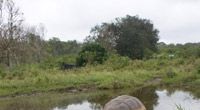
* Lakes and Ponds: These are relatively still bodies of water with a variety of depths, temperatures, and nutrient levels. They support a wide array of organisms, including fish, amphibians, insects, and plants.
* Rivers and Streams: These flowing water bodies are characterized by currents and varying water flow. The type of organisms present depends on the flow rate and the water's oxygen levels.
* Wetlands: These areas are characterized by saturated soil and standing water for at least part of the year. They are important habitats for birds, amphibians, and reptiles.
2. Marine Biomes:
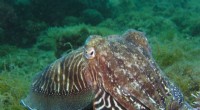
* Oceans: The largest aquatic biome, covering over 70% of Earth's surface. They are divided into different zones based on depth and distance from the shore, each with distinct physical and biological characteristics.
* Coral Reefs: These vibrant ecosystems are formed by colonies of coral polyps and are found in warm, shallow waters. They provide habitat for a vast diversity of marine life.
* Estuaries: These transition zones between freshwater rivers and saltwater oceans are characterized by fluctuating salinity levels. They are important breeding grounds for many fish and shellfish species.
Key Features of Aquatic Biomes:
* Water: Water is the primary characteristic that defines these biomes. Its properties, such as temperature, salinity, and oxygen levels, play a significant role in determining the types of organisms that can survive there.
* Sunlight: Sunlight availability varies greatly in aquatic biomes, influencing the distribution of plant life and other organisms.
* Temperature: Water temperature fluctuates based on depth, latitude, and season. These fluctuations influence the species present.
* Salinity: The salt content of the water varies widely, influencing the types of organisms adapted to live in different aquatic environments.
Importance of Aquatic Biomes:
* Biodiversity: Aquatic biomes support a vast array of life, including many unique and endangered species.
* Ecosystem Services: They provide essential services like regulating climate, purifying water, and supporting fisheries.
* Human Dependency: Aquatic biomes are crucial for human livelihoods, providing food, water, and other resources.
Understanding the characteristics and importance of aquatic biomes is essential for conservation efforts and sustainable management of these valuable ecosystems.