* Based on Evidence: Scientific theories are built upon a vast body of evidence collected through observation, experimentation, and analysis. They are constantly refined and updated as new evidence emerges.
* Explanatory Power: Theories provide a comprehensive explanation for a range of phenomena. They go beyond simply describing observations; they attempt to explain why those observations occur.
* Predictive Power: A good scientific theory can make predictions about future observations. These predictions can be tested, further strengthening or challenging the theory.
* Testable and Falsifiable: Scientific theories are designed to be testable. This means that there must be potential observations or experiments that could prove the theory wrong. This ability to be potentially falsified is a key aspect of the scientific method.
Think of it this way:
* A wild guess: A random idea with no supporting evidence.
* A scientific theory: A well-supported explanation backed by extensive evidence, capable of making predictions, and open to further testing and refinement.
Examples:
* Theory of Gravity: This theory is not just a guess that things fall down. It's supported by centuries of observations and experiments, and it allows us to predict the motion of planets and even launch satellites into space.
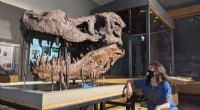
* Theory of Evolution: This theory is supported by a massive amount of evidence from fossils, genetics, and observations of living organisms. It explains how life has changed over millions of years, and it continues to be refined as new discoveries are made.
In summary, scientific theories are not wild guesses. They are the most robust explanations we have for the natural world, built upon a foundation of evidence and subject to rigorous testing and refinement.