Directly Observable:
* Behavior: This includes actions, reactions, expressions, and any outward manifestation of a person's internal state. Examples:
* Verbal behavior: What people say, how they say it, and the content of their speech.
* Non-verbal behavior: Body language, facial expressions, gestures.
* Motor behavior: How people move, their gait, their physical responses to stimuli.
* Task performance: How well someone performs on a specific task, their accuracy, speed, and approach.
* Physiological responses: These are bodily changes that can be measured, often using technology. Examples:
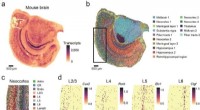
* Brain activity: Measured with EEG, fMRI, and other neuroimaging techniques.
* Heart rate and blood pressure: Measured using heart rate monitors and blood pressure cuffs.
* Skin conductance: Measures changes in electrical conductivity of the skin, often linked to emotional arousal.
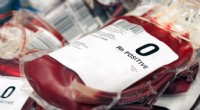
* Hormonal levels: Blood tests can measure hormone levels related to stress, mood, and other psychological states.
* Environmental stimuli: The external factors that influence behavior. Examples:
* Physical environment: Lighting, temperature, noise levels.
* Social environment: The presence of others, social interactions.
* Cultural context: The norms and values that shape behavior.
Indirectly Observable (Inferred from Observations):
* Mental states: While not directly observable, we can infer mental states from behaviors and physiological responses. Examples:
* Emotions: We can infer someone's emotional state from their facial expressions, tone of voice, and bodily posture.
* Cognition: We can study how people think, learn, and remember through tasks, questionnaires, and other assessments.
* Personality traits: We can infer personality traits through self-reports, observations of behavior, and standardized personality tests.
* Psychological processes: These are internal mechanisms that are not directly observable but can be inferred from behavior and physiological responses. Examples:
* Attention: We can study attention through tasks that require focusing on specific stimuli.
* Memory: We can study memory through tests that assess recall, recognition, and other aspects of memory function.
* Motivation: We can infer motivation by observing someone's effort and persistence in pursuing a goal.
Important Considerations:
* Objectivity: Scientific psychology strives to be objective, minimizing bias in observation and interpretation.
* Reliability and validity: Researchers use techniques that ensure their observations are consistent (reliable) and measure what they claim to measure (valid).
* Ethical considerations: Research must be conducted ethically, ensuring the well-being and privacy of participants.
Challenges in Observational Psychology:
* Subjectivity: Human behavior is complex and can be influenced by a variety of factors, making it difficult to isolate specific causes and effects.
* Interpretation: Even with objective data, there can be different interpretations of what the observations mean.
* Measurement limitations: Not everything can be measured perfectly, and different measures might provide different perspectives on the same phenomenon.
In essence, the focus of psychology research is on understanding the relationship between observable behaviors, physiological responses, and the underlying mental states and processes. By employing rigorous scientific methods, psychologists strive to gain insights into the human mind and behavior.