Artificial breeding, also known as selective breeding, is the process of intentionally manipulating the genetic makeup of a population to enhance desired traits. This is done by carefully choosing which individuals are allowed to reproduce. It's a powerful tool used for centuries in various fields, including agriculture, animal husbandry, and even the pet industry.
Here's a breakdown of the process:
1. Identify Desired Traits: Start by pinpointing the specific characteristics you wish to amplify in the population. For example, higher milk production in cows, disease resistance in crops, or specific coat colors in dogs.
2. Select Parents: Choose individuals with the desired traits for breeding. This can involve:
* Phenotype Selection: Selecting based on the visible traits of the individual.
* Genotype Selection: Utilizing genetic testing to identify individuals carrying the desired genes.
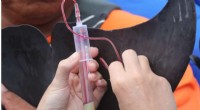
3. Controlled Breeding: Implement controlled mating procedures, like artificial insemination or hand-pollination, to ensure desired individuals are paired.
4. Monitor and Repeat: Carefully observe the offspring, select the most desirable individuals from the next generation, and repeat the process over time.
The Results:
Over multiple generations, this process leads to a gradual shift in the genetic makeup of the population, concentrating and enhancing the desired traits. This can result in:
* Increased productivity: Higher milk production, increased crop yields, better meat quality.
* Improved disease resistance: Stronger immune systems in animals, crops resistant to specific pests.
* Enhanced aesthetics: Specific coat colors, patterns, and body shapes in domesticated animals.
Ethical Considerations:
Artificial breeding has both positive and negative implications. While it offers benefits like increased productivity and disease resistance, it also raises ethical concerns:
* Inbreeding: Focusing on specific traits can lead to inbreeding, which can weaken the genetic diversity and increase susceptibility to diseases.
* Animal Welfare: Some artificial selection practices can cause physical discomfort or suffering in animals, especially if certain body shapes are emphasized over health and well-being.
* Loss of genetic diversity: The focus on specific traits can lead to a loss of natural variation within a population.
Moving Forward:
Artificial breeding remains an important tool for improving the quality of life for humans and animals. However, it's crucial to carefully consider the ethical implications and strive for sustainable practices that prioritize both productivity and well-being. Responsible breeding programs involve maintaining genetic diversity, monitoring for health problems, and respecting the natural characteristics of the organisms being bred.