1. Morphological Comparison: This is the traditional method, comparing physical characteristics like bone structure, organ systems, and overall body shape. While useful for large-scale relationships, it can be misleading due to convergent evolution (similar features developing independently).
2. Fossil Evidence: Examining fossil records can reveal evolutionary history and trace lineage over vast timescales. However, fossil records are incomplete, and interpretations can be subjective.
3. Molecular Biology: This is the most powerful tool for understanding evolutionary relationships. It focuses on comparing:
* DNA Sequences: Analyzing the similarity of DNA sequences between organisms reveals shared ancestry. The more similar the sequences, the more closely related they are.
* Protein Sequences: Proteins are coded by DNA, so comparing protein sequences (like cytochrome c) can also indicate evolutionary relatedness.
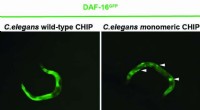
* Gene Expression Patterns: Analyzing how genes are turned on and off can reveal similarities and differences in developmental pathways and responses to the environment.
4. Phylogenetic Analysis: This involves constructing evolutionary trees (phylogenies) based on data from morphological, fossil, and molecular comparisons. Statistical methods are used to determine the most likely evolutionary relationships.
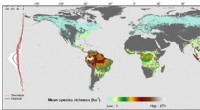
5. Biogeography: Studying the geographical distribution of species can provide clues about their evolutionary history and potential relationships. For example, species on islands often share a common ancestor.
6. Behavioral Comparisons: Examining shared behaviors, like mating rituals or communication patterns, can provide additional insights into evolutionary relationships, especially for animals.
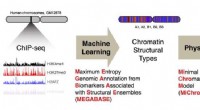
7. Genomics: The study of complete genomes allows for a more comprehensive comparison of genetic material, leading to a more accurate understanding of evolutionary relationships.
It's important to note that these methods are often used in combination. For example, molecular data can be used to corroborate or challenge conclusions based on morphological observations. Additionally, new technologies and techniques are constantly being developed, further improving our understanding of evolutionary relationships.