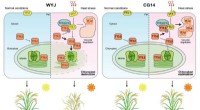
* Energy Independence: Chloroplasts contain chlorophyll, the green pigment that captures light energy from the sun. This energy is used to convert carbon dioxide and water into glucose (sugar) and oxygen, a process called photosynthesis. This allows plants to be autotrophs, meaning they can create their own food source, unlike animals, which are heterotrophs and rely on consuming other organisms for energy.
* Sustainable Energy Source: Photosynthesis is a renewable and sustainable way to obtain energy. Plants don't need to hunt or gather food like animals do. They can simply use sunlight, water, and carbon dioxide to produce their own energy.
* Oxygen Production: As a byproduct of photosynthesis, plants release oxygen into the atmosphere. This oxygen is essential for the survival of all living organisms, including animals.
* Environmental Sustainability: Plants play a crucial role in regulating the Earth's climate by absorbing carbon dioxide from the atmosphere. They help mitigate the effects of climate change by storing carbon in their tissues and releasing oxygen.
In summary: Chloroplasts allow plants to harness the energy of sunlight to create their own food, making them independent and self-sustaining. This unique ability gives plants a significant advantage over animal cells, which rely on external sources for energy.