1. Gregor Mendel (1822-1884): Known as the "Father of Genetics," Mendel's meticulous experiments with pea plants laid the foundation for our understanding of inheritance. He discovered the principles of segregation and independent assortment, which describe how traits are passed down from parents to offspring.
2. Thomas Hunt Morgan (1866-1945): A pioneer in the study of fruit flies, Morgan's work confirmed Mendel's laws and linked genes to specific chromosomes. He established the chromosome theory of inheritance, demonstrating that genes reside on chromosomes and are passed down through generations.
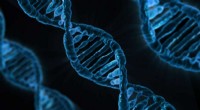
3. James Watson and Francis Crick (1953): Their groundbreaking discovery of the double helix structure of DNA revolutionized our understanding of the molecular basis of life. This model explained how genetic information is encoded, replicated, and passed on.
4. Barbara McClintock (1902-1992): Her work on maize (corn) demonstrated the existence of "jumping genes" or transposons, which can move around within a genome. This discovery revolutionized our understanding of gene regulation and provided insights into genetic variation.
5. Kary Mullis (1944-2019): His invention of the polymerase chain reaction (PCR) technique allowed scientists to amplify and analyze specific DNA sequences. PCR revolutionized genetic research, enabling scientists to study DNA from small samples and diagnose diseases with greater accuracy.
6. Craig Venter (1946-): A key figure in the Human Genome Project, Venter and his team were the first to sequence the complete genome of a free-living organism (a bacterium). This accomplishment paved the way for understanding the human genome and its implications for medicine and human health.