Observation and Data Collection:
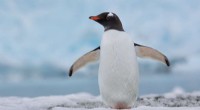
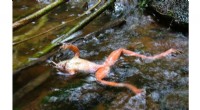
* Observe a phenomenon: Notice something interesting happening in the natural world. This could be anything from a bird's behavior to the growth of a plant.
* Conduct experiments: Design and carry out experiments to test a hypothesis or explore a phenomenon.
* Collect data: Carefully record observations, measurements, and results from experiments. This might involve using instruments, surveys, or other methods.
Analysis and Interpretation:
* Analyze data: Use statistical methods or other tools to identify patterns and trends in the collected data.
* Interpret results: Draw conclusions from the data analysis, explaining what the results mean and whether they support or refute the initial hypothesis.
Communication and Dissemination:
* Write a report: Document the entire scientific process, including the hypothesis, methods, results, and conclusions.
* Present findings: Share their findings with other scientists and the public through conferences, publications, or presentations.
* Collaborate with other scientists: Discuss ideas, share data, and work together to solve problems.
Other Important Activities:
* Review the work of other scientists: Critique published research and ensure the quality of scientific knowledge.
* Develop new tools and technologies: Design new instruments or techniques to further scientific progress.
* Seek funding: Obtain resources to support research projects.
The scientific process is an ongoing cycle, with new observations and discoveries leading to further questions and investigations.