Here's a breakdown of the process:
1. Nitrogen Fixation:
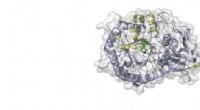
* Nitrogenase enzyme: The key player in nitrogen fixation is the enzyme nitrogenase, found in certain bacteria. This enzyme requires a significant amount of energy, often derived from the oxidation of sugars.
* Energy source: The bacteria obtain their energy from various sources. Some are photosynthetic, while others are chemoheterotrophic, relying on organic compounds for energy.
* Conversion: Nitrogenase converts N2 into ammonia (NH3). This ammonia is then incorporated into organic compounds, such as amino acids, which are essential building blocks of proteins.
2. Types of Nitrogen-fixing Microorganisms:
* Free-living nitrogen-fixing bacteria: These bacteria live independently in soil and water, such as Azotobacter and Clostridium.
* Symbiotic nitrogen-fixing bacteria: These bacteria form a mutually beneficial relationship with plants, particularly legumes (e.g., beans, peas, lentils). They live within nodules on the plant roots, receiving carbohydrates from the plant while providing fixed nitrogen. Examples include Rhizobium and Bradyrhizobium.
3. Importance of Biological Nitrogen Fixation:
* Essential for life: Nitrogen is a vital nutrient for all living organisms, forming a key component of proteins, nucleic acids (DNA and RNA), and chlorophyll.
* Maintaining soil fertility: Biological nitrogen fixation replenishes the nitrogen in the soil, which is constantly being depleted by plant growth and other processes.
* Food production: Nitrogen fixation is crucial for agriculture, as it ensures the availability of nitrogen for crop plants.
4. Factors Affecting Biological Nitrogen Fixation:
* Oxygen levels: Nitrogenase is highly sensitive to oxygen, so the bacteria often have mechanisms to protect themselves from oxygen, such as specialized cells or pigments.
* Soil pH and moisture: Optimal conditions for nitrogen fixation vary depending on the specific bacteria involved.
* Availability of other nutrients: The availability of phosphorus, potassium, and other nutrients can influence nitrogen fixation.
In summary, biological nitrogen fixation is a vital process that converts atmospheric nitrogen into a usable form, making it essential for life on Earth.