Here's a breakdown of how scientists classify organisms:
* Hierarchical System: Scientists use a hierarchical system called taxonomy to classify organisms. This means they group organisms based on shared characteristics, starting with broad categories and getting more specific.
* Major Levels: The main levels of classification are:
* Domain: The broadest level, currently divided into Bacteria, Archaea, and Eukarya.
* Kingdom: A large group of organisms with similar characteristics, like plants, animals, fungi, etc.
* Phylum: A group of related classes, like vertebrates (animals with backbones) or arthropods (insects, spiders, crustaceans).
* Class: A group of related orders, like mammals or birds.
* Order: A group of related families, like carnivores or primates.
* Family: A group of related genera, like cats or dogs.
* Genus: A group of closely related species.
* Species: The most specific level, a group of organisms that can reproduce with each other and produce fertile offspring.
* What They Look At: To classify organisms, scientists look at:
* Physical Characteristics: Body structure, cell type, and external features.
* Genetic Information: Comparing DNA and RNA sequences.
* Evolutionary History: Tracing ancestral relationships through fossils and genetic analysis.
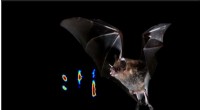
While an organism's method of transportation might be useful in describing its lifestyle, it's not a defining characteristic for its place in the taxonomic system. For example, a bat and a bird both fly, but they belong to different classes (mammals and birds) based on their overall body structure and other characteristics.