1. Introducing New Genetic Variations:
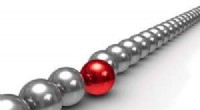
* Mutations introduce new alleles (alternative forms of a gene) into a population. These new alleles may be beneficial, harmful, or neutral in their effects.
* Without mutations, all individuals in a population would have the same genetic makeup, and there would be no variation for natural selection to work on.
2. Fueling Natural Selection:
* Natural selection acts on the existing variations within a population. If a mutation introduces a beneficial allele, individuals carrying that allele are more likely to survive and reproduce, passing on the mutation to their offspring.
* This process gradually increases the frequency of beneficial alleles in a population over time, leading to adaptation to the environment.
3. Shaping the Diversity of Life:
* The accumulation of mutations over generations can lead to significant changes in the genetic makeup of a species, driving the process of speciation.
* Over millions of years, mutations and natural selection have produced the incredible diversity of life we see on Earth today.
4. Adapting to Changing Environments:
* Mutations can help organisms adapt to changing environmental conditions. For example, mutations in bacteria can lead to resistance to antibiotics.
* Without the ability to mutate and evolve, organisms would be unable to cope with environmental changes and would likely go extinct.
5. Not Always Beneficial:
* It is important to note that mutations are not always beneficial. Most mutations are either neutral or harmful.
* Harmful mutations can cause diseases or reduce an organism's fitness. However, even harmful mutations can be important for evolution, as they can be eliminated by natural selection, further shaping the genetic makeup of a population.
In Conclusion:
Mutations are the fundamental engine of biological evolution. They provide the raw material for natural selection to act upon, leading to adaptation, diversification, and the evolution of new species. Understanding mutations is crucial for understanding the process of evolution and its implications for life on Earth.