* Aerobic respiration uses oxygen as the final electron acceptor in the electron transport chain, producing a large amount of ATP.
* Anaerobic respiration uses a different molecule as the final electron acceptor. This could be:
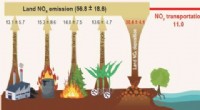
* Nitrate (NO3-)
* Sulfate (SO4^2-)
* Carbon dioxide (CO2)
* Organic compounds
While anaerobic respiration still involves a process of electron transport, it doesn't produce as much ATP as aerobic respiration. This is why anaerobic bacteria generally grow slower than aerobic ones.
Here are some important points:
* All living organisms need to generate energy for their functions. Anaerobic bacteria have evolved mechanisms to do this in environments without oxygen.
* Anaerobic respiration is a vital process in many ecosystems. For example, it's involved in the decomposition of organic matter and the cycling of nutrients like nitrogen and sulfur.
In summary: Anaerobic bacteria do carry out respiration, but it's a modified form that doesn't use oxygen as the final electron acceptor.