1. Lack of Cellular Structure: Non-living things are not composed of cells, the basic building blocks of life. They may have complex structures, but they don't possess the organized, compartmentalized nature of cells.
2. No Metabolism: Non-living organisms don't exhibit metabolic processes like respiration, photosynthesis, or the breakdown of nutrients. They don't convert energy or use it to sustain themselves.
3. No Growth or Development: They don't grow or develop in the way living organisms do. They may change in size or appearance due to external factors, but not through internal processes of development.
4. No Reproduction: Non-living things cannot reproduce or create offspring. They don't have the ability to pass on genetic information to new generations.
5. No Responsiveness to Stimuli: They don't react to their environment in the way living organisms do. They may show changes in response to stimuli like heat or light, but these are purely physical or chemical reactions, not responses directed by a living system.
6. No Homeostasis: Non-living things don't maintain a stable internal environment. They are passively affected by their surroundings and do not have mechanisms to regulate internal conditions.
7. No Evolution: Non-living objects do not evolve or change over time through natural selection. They are fixed entities unless acted upon by external forces.
Examples of Non-Living Organisms:
* Rocks
* Water
* Air
* Soil
* Metal
* Plastic
* Buildings
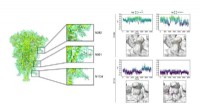
It's important to note that the line between living and non-living can sometimes be blurry. For instance, viruses lack some characteristics of life, but possess others, making their categorization complex.