Here's how it works:
1. Start at the beginning: The dichotomous key begins with a pair of statements.
2. Choose one statement: Read the two statements carefully and choose the one that best describes the organism you are looking at.
3. Follow the instructions: The chosen statement will direct you to another pair of statements.
4. Repeat steps 2 & 3: Continue choosing statements and following the instructions until you reach a final identification.
Example:
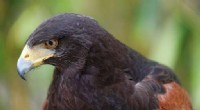
Let's say you are trying to classify a type of bird:
* Statement 1: Does the bird have a long, pointed beak? a) Yes b) No
* Let's say you chose a) Yes. You would then be directed to the next pair of statements:
* Statement 2: Does the bird have a brightly colored chest? a) Yes b) No
* Let's say you chose b) No. You would then be directed to the next pair of statements, and so on.
Key Points:
* Dichotomous means "divided into two parts." Each pair of statements offers two options, helping the user narrow down the possibilities.
* The statements are based on observable characteristics. These can include physical traits, behaviors, or even habitat preferences.
* Dichotomous keys are useful for identifying a wide range of organisms, from insects to plants to mammals.
By carefully following the steps of a dichotomous key, scientists can accurately identify and classify organisms, helping them to understand the diversity of life on Earth.