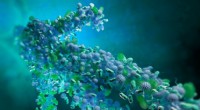
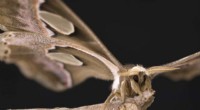
1. Increased size and complexity: Multicellularity allows organisms to grow much larger and more complex than their single-celled counterparts. This opens up a whole new world of possibilities for organisms, allowing them to develop specialized tissues, organs, and organ systems.
2. Increased specialization: The different cells in a multicellular organism can specialize in different functions. This division of labor makes the organism more efficient and allows it to perform complex tasks that would be impossible for a single cell. For example, muscle cells specialize in movement, nerve cells specialize in communication, and digestive cells specialize in breaking down food.
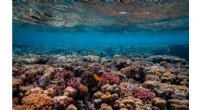
3. Increased adaptability: The ability to specialize and develop complex structures gives multicellular organisms a significant advantage in adapting to different environments. This has allowed multicellular life to diversify and fill a wide range of ecological niches.