Here's why:
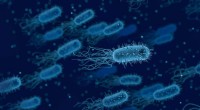
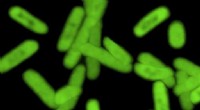
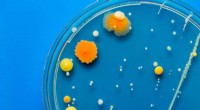
* Single-celled organisms: These organisms are made up of only one cell, which performs all the functions necessary for life, including reproduction. Examples include bacteria, amoeba, and yeast.
* Unicellular organisms: This is another term for single-celled organisms.
However, it's important to note that some multicellular organisms can also reproduce asexually, meaning they don't need another individual to reproduce. Examples include plants that can reproduce via cuttings or bulbs, and some animals like starfish that can regenerate lost parts.