* Evolution is change in allele frequencies within a population over time. Alleles are different versions of genes. So, evolution is about how the proportions of these different gene versions change in a group of organisms.
* Individuals don't evolve. While individuals can change throughout their lifetime (like gaining muscle mass or learning new skills), these changes are not passed down genetically to their offspring.
* Evolution requires genetic variation. The raw material for evolution is variation in traits within a population. This variation comes from mutations, which are changes in the DNA sequence.
* Natural selection acts on individuals. Individuals with traits that make them better suited to their environment are more likely to survive and reproduce, passing their advantageous traits on to their offspring. This leads to a gradual shift in the allele frequencies within the population over time.
Therefore, evolution is a population-level phenomenon, driven by the interplay of genetic variation, natural selection, and other evolutionary forces.
Here are some examples of things capable of evolution:
* Species: Over long periods, populations of organisms can evolve into distinct species through processes like genetic drift and reproductive isolation.
* Subpopulations: Within a species, different groups of organisms can evolve differently based on their environments and selective pressures.
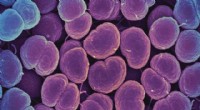
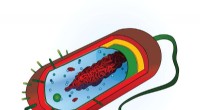
* Bacteria: Bacteria are single-celled organisms that reproduce rapidly. They can evolve quickly in response to changes in their environment, such as exposure to antibiotics.
* Viruses: Viruses are not technically living organisms, but they can evolve and adapt to their hosts. This is why new strains of viruses like influenza emerge regularly.
It's important to note that evolution is not a goal-oriented process. It doesn't have a direction or purpose. It simply describes the changes that occur in populations over time as they adapt to their changing environments.