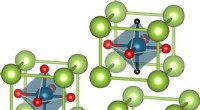
1. Atoms and Molecules: The most basic building blocks of all matter, including living things.
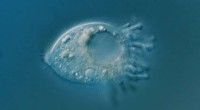
2. Cells: The fundamental unit of life, composed of various organelles and molecules working together.
3. Tissues: Groups of similar cells that work together to perform a specific function.
4. Organs: Structures composed of different tissues working together for a common purpose.
5. Organ Systems: Groups of organs that work together to carry out major bodily functions.
Example:
* Atoms and Molecules: Carbon, hydrogen, oxygen, nitrogen, etc., combine to form water (H2O), proteins, carbohydrates, etc.
* Cells: Muscle cells, nerve cells, blood cells, etc., are all specialized cells with different functions.
* Tissues: Muscle tissue, nervous tissue, connective tissue, etc., are composed of similar cells.
* Organs: The heart, lungs, stomach, brain, etc., are all composed of different tissues.
* Organ Systems: The circulatory system, respiratory system, digestive system, nervous system, etc., are all groups of organs that work together.