1. Nutrient Acquisition:
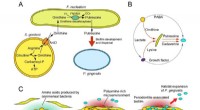
* Nitrogen Fixation: Plants can't directly use nitrogen from the atmosphere, but certain bacteria (mainly rhizobia) can convert it into a usable form (ammonia). In return for providing a safe haven within their root nodules, plants supply these bacteria with sugars they produce via photosynthesis.
* Phosphorus Mobilization: Mycorrhizal fungi, which form symbiotic relationships with plant roots, can access phosphorus from the soil more efficiently than plants alone. They then transfer it to the plant in exchange for sugars.
* Iron Acquisition: Some bacteria associated with plants can release siderophores, molecules that bind iron and make it available for plant uptake.
2. Disease Protection:
* Biocontrol Agents: Some microbes act as natural pesticides by producing compounds that inhibit plant pathogens. These can include fungi, bacteria, and viruses.
* Induced Systemic Resistance (ISR): Beneficial microbes can trigger defense responses in plants, making them less susceptible to disease. They do this by releasing signaling molecules that activate plant immune systems.
3. Growth Promotion:
* Hormone Production: Some microbes, such as plant growth-promoting rhizobacteria (PGPR), produce hormones like auxins, gibberellins, and cytokinins that stimulate plant growth and development.
* Phytohormone Modulation: Microbes can also influence plant hormonal balance, affecting root development, flowering, and fruit production.
* Stress Tolerance: Some microbes enhance plant resilience to various stresses, including drought, salinity, and heavy metals.
4. Breakdown of Organic Matter:
* Decomposers: Microbes, particularly fungi, break down dead plant material, releasing nutrients back into the soil, which plants can then use.
* Soil Health: This decomposition process contributes to healthy soil structure, aeration, and water retention.
Beyond the Basics:
* Microbe Communication: Plants and microbes communicate with each other through chemical signaling molecules. Plants can release specific compounds to attract beneficial microbes, and microbes can respond with signals that influence plant development.
* Microbiome Diversity: The diversity of microbes associated with plants is crucial for their overall health. This diversity allows for a wider range of functions, including disease suppression, nutrient acquisition, and stress tolerance.
Consequences of Disruption:
Disruption of these symbiotic relationships, often due to agricultural practices like excessive pesticide use or monoculture, can have negative consequences for both plants and the surrounding ecosystem.
In Conclusion:
The interactions between plants and microbes are essential for a healthy and productive ecosystem. Understanding these relationships helps us develop sustainable agricultural practices that promote biodiversity and maintain ecosystem services.