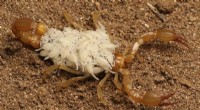
These three concepts are fundamental to all living things, and they work together to ensure the continuation of life.
1. Growth:
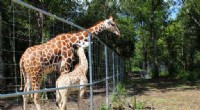
* Definition: An increase in size, mass, or number of cells. This can be through the production of new cells (cell division) or the enlargement of existing cells.
* Examples: A seed sprouting into a seedling, a baby growing into a child, a tree adding rings to its trunk.
* Key Factors: Adequate nutrients, water, and favorable environmental conditions are crucial for growth.
2. Development:
* Definition: A series of progressive changes that occur throughout an organism's lifespan, leading to a more complex and specialized structure. This involves not just growth, but also changes in form, function, and behavior.
* Examples: A caterpillar transforming into a butterfly, a human embryo developing organs, a bird learning to fly.
* Key Factors: Genetics, environment, and hormones play important roles in development.
3. Reproduction:
* Definition: The process by which organisms create new individuals of the same kind. This can be sexual or asexual.
* Examples: A flower producing seeds, a bacteria dividing into two, a human giving birth to a child.
* Key Factors: This process is essential for the survival of a species and ensures the continuation of life.
Relationship between Growth, Development, and Reproduction:
These three concepts are intertwined and influence each other:
* Growth is essential for development: A growing organism can acquire new structures and functions.
* Development often precedes reproduction: An organism must reach a certain stage of maturity before it can reproduce.
* Reproduction can influence growth and development: Hormones released during reproduction can affect growth and development in both parents and offspring.
In summary: Growth, development, and reproduction are interconnected processes that are fundamental to all living things. They work together to ensure the survival and continuation of life on Earth.