1. Physical Models: These are tangible representations of real-world objects or systems. Think of:
* Scale models like a miniature airplane or a model of the human heart
* Working models like a wind tunnel to test aerodynamics or a model of a volcano to understand eruptions
2. Mathematical Models: These use equations and formulas to represent relationships between variables. They can be used to:
* Predict outcomes: like the trajectory of a rocket or the spread of a disease
* Analyze data: to find patterns and draw conclusions
* Simulate processes: like weather patterns or the behavior of molecules
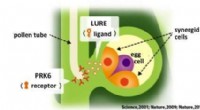
3. Conceptual Models: These are abstract representations of a system or process, often using diagrams or flowcharts. They help to:
* Visualize complex ideas: like the water cycle or the structure of an atom
* Explain relationships: between different components of a system
* Organize knowledge: into a clear and understandable framework
These are just three examples, and many other types of models exist! Scientists choose the best type of model depending on the specific question they are trying to answer.