Physical models are representations of real-world objects or systems that you can see and touch. They can be made of various materials, like wood, plastic, metal, or even food.
Here are some examples:
* Scale models: These represent real objects but at a smaller size. Think of model airplanes, cars, buildings, or even the solar system.
* Anatomical models: These are models of the human body or specific organs, used in biology and medicine.
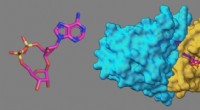
* Molecular models: These represent the structure of molecules using balls and sticks to represent atoms and bonds.
* Geological models: These might show the layers of the Earth, tectonic plates, or formations like caves.
* Weather models: While not literal representations, these can be physical demonstrations of how weather works, like a small-scale wind tunnel.
Why are physical models useful?
* Visual understanding: They make complex systems easier to grasp.
* Hands-on learning: They allow for exploration and interaction, promoting deeper understanding.
* Demonstration: They can be used to explain concepts and processes.
It's important to note that physical models have limitations:
* Simplification: They often leave out details for clarity, so they might not be perfectly accurate representations.
* Limited scope: They might not fully capture all aspects of the real system.
Despite these limitations, physical models are valuable tools for teaching, learning, and research in many scientific fields.