Here's a breakdown of the key differences:
Prokaryotic Cells:
* Simpler structure: Lack a nucleus and other membrane-bound organelles.
* Smaller in size: Typically 1-10 micrometers in diameter.
* Single-celled organisms: Bacteria and archaea are prokaryotes.
* DNA is circular and located in the cytoplasm: Not enclosed in a nucleus.
* Ribosomes are smaller: 70S ribosomes.
* No internal membrane system: Lack endoplasmic reticulum, Golgi apparatus, and other organelles.
Eukaryotic Cells:
* Complex structure: Have a nucleus and other membrane-bound organelles.
* Larger in size: Typically 10-100 micrometers in diameter.
* Multicellular organisms: Plants, animals, fungi, and protists are eukaryotes.
* DNA is linear and enclosed in a nucleus: Nucleus provides a separate compartment for genetic material.
* Ribosomes are larger: 80S ribosomes.
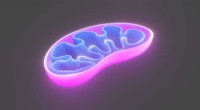
* Internal membrane system: Have endoplasmic reticulum, Golgi apparatus, mitochondria, and other organelles, each with specialized functions.
The presence of a nucleus and other membrane-bound organelles in eukaryotic cells makes them significantly more complex than prokaryotic cells. These organelles allow for compartmentalization and specialization of cellular functions, leading to greater complexity and efficiency.