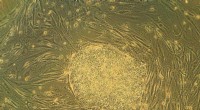
Embryonic Stem Cells:
* Blastocyst: These are found in the early stages of embryonic development (about 5-7 days after fertilization). They are pluripotent, meaning they can become any cell type in the body.
Adult Stem Cells:
* Bone Marrow: These are responsible for producing blood cells (red blood cells, white blood cells, and platelets).
* Brain: The brain contains neural stem cells that can differentiate into neurons (nerve cells) and glial cells.
* Skin: Skin contains stem cells that help regenerate the epidermis (outer layer of skin).
* Intestine: Stem cells in the intestine renew the lining of the digestive tract.
* Liver: The liver contains stem cells that can help regenerate damaged tissue.
* Muscle: Muscle stem cells contribute to muscle growth and repair.
* Blood: Stem cells are also found circulating in the blood, ready to differentiate into specific cell types as needed.
Other Sources:
* Umbilical Cord Blood: Stem cells can be harvested from the umbilical cord after birth.
* Placenta: Stem cells are also found in the placenta.
* Amniotic Fluid: Stem cells can be obtained from the amniotic fluid surrounding a developing fetus.
It's important to note that the types of stem cells and their capabilities vary depending on the source and age.