1. Cell Specialization: Cells in a multicellular organism don't all have the same function. They differentiate, or specialize, to perform specific tasks. This specialization is controlled by genes and environmental signals. For example, muscle cells develop to contract, nerve cells to transmit signals, and epithelial cells to form protective layers.
2. Tissue Formation: Similar specialized cells come together to form tissues. Examples include muscle tissue, nervous tissue, and epithelial tissue. Each tissue has a specific function that contributes to the overall function of the organ.
3. Organ Formation: Different tissues then work together to create organs. For example, the heart is made up of muscle tissue (for pumping), nervous tissue (for regulating heart rate), epithelial tissue (for lining chambers), and connective tissue (for structural support).
4. Organ System Formation: Several organs work together to form an organ system. Each organ system performs a major bodily function. For instance, the digestive system (comprised of the mouth, esophagus, stomach, intestines, and other organs) is responsible for breaking down food and absorbing nutrients.
Key Points:
* Hierarchy: The organization of cells into tissues, organs, and organ systems follows a hierarchical structure.
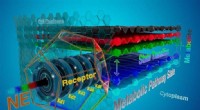
* Communication: Cells communicate with each other through chemical signals, ensuring coordinated function within tissues and organs.
* Development: This complex process of specialization and organization occurs during embryonic development and continues throughout life.
* Regulation: Hormones and other regulatory molecules play crucial roles in maintaining the integrity and function of organ systems.
It's essential to remember that this is a highly simplified explanation of a complex process. The intricate interplay of genes, environmental factors, and cellular interactions creates the remarkable diversity and complexity of organ systems within a living organism.