Direct injection of DNA into animal cells, a technique often referred to as microinjection, is a powerful tool used in research and biotechnology. It allows scientists to introduce new genetic material directly into the nucleus of a cell, bypassing the need for viral vectors or other methods.
Here's a breakdown of the process:
1. Cell Preparation: Animal cells are carefully prepared and isolated, often from embryos or cultured cell lines.
2. DNA Preparation: The desired DNA sequence, often carrying a gene of interest or a specific mutation, is purified and prepared for injection.
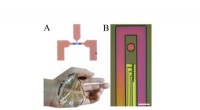
3. Microinjection Setup: A specialized microinjection apparatus is used, equipped with a fine glass needle and a precise pressure control system.
4. Injection Process: The needle is carefully inserted into the cytoplasm of the target cell and guided towards the nucleus. The prepared DNA solution is then injected into the nucleus.
5. Post-Injection Observation: The injected cells are monitored for successful integration of the foreign DNA into the host genome and for any observable changes in cellular behavior or function.
Benefits of Direct DNA Injection:
* High Efficiency: Direct injection can achieve high integration rates compared to other methods.
* Targeted Delivery: This technique allows precise control over the targeted cell type and the location of the DNA within the cell.
* Flexibility: It is applicable to a wide range of animal cells, including embryonic and mature cells.
* Non-Viral: It avoids potential risks associated with viral vectors, such as immune responses or insertional mutagenesis.
Applications of Direct DNA Injection:
* Gene Therapy: Introducing functional copies of genes to treat genetic disorders.
* Transgenic Animals: Creating animals with altered gene expression for research or agricultural purposes.
* Cell Engineering: Modifying cells for therapeutic or industrial applications.
* Genetic Studies: Investigating gene function and regulation by introducing specific mutations or gene knockouts.
Limitations of Direct DNA Injection:
* Technical Complexity: Microinjection requires specialized equipment and skilled technicians.
* Limited Scale: It can be challenging to inject a large number of cells efficiently.
* Cell Viability: Injecting cells can sometimes cause cell damage or death.
Despite its limitations, direct DNA injection remains a valuable tool for manipulating animal cells and advancing our understanding of biology and medicine.