Plants:
* Salt-tolerant grasses: These grasses like Spartina and Distichlis are adapted to salty environments and thrive in coastal marshes.
* Mangrove trees: Found in tropical and subtropical regions, these trees are salt-tolerant and provide vital habitat for many species.
* Seagrasses: Submerged aquatic plants like Zostera and Thalassia create underwater meadows that provide food and shelter for marine life.
* Dune grasses: Grasses like Ammophila and Elymus are adapted to sandy environments and help stabilize coastal dunes.
Animals:
* Birds: Many bird species, such as gulls, pelicans, sandpipers, and shorebirds, depend on the coast for food and nesting.
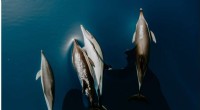
* Mammals: Marine mammals like seals, sea lions, dolphins, and whales are common along coastlines. Land mammals like deer, raccoons, and foxes also inhabit coastal areas.
* Reptiles: Sea turtles, lizards, and snakes are found in various coastal habitats.
* Fish: A wide variety of fish species live in coastal waters, including cod, salmon, tuna, and many others.
* Invertebrates: The coastal environment teems with invertebrates, including crabs, lobsters, snails, mussels, clams, barnacles, starfish, and sea urchins.
Here's a breakdown of specific coastal habitats and their inhabitants:
* Sandy shores: This habitat is characterized by its loose sand and is home to beach mice, sandpipers, sea turtles, and various invertebrates.
* Rocky shores: These shores provide a variety of niches for organisms like barnacles, mussels, sea anemones, and crabs.
* Salt marshes: These wetlands are flooded by tides and are home to salt-tolerant grasses, crabs, shrimp, oysters, and many bird species.
* Mangrove forests: These forests provide shelter and food for a wide variety of animals, including fish, crabs, birds, and mammals.
* Coral reefs: Found in warm, clear waters, coral reefs are incredibly diverse ecosystems, housing a vast array of fish, invertebrates, and other marine life.
Factors that influence coastal organisms:
* Water temperature: The temperature of the water plays a significant role in determining which species can thrive.
* Salinity: The salt content of the water is another crucial factor for survival.
* Tidal fluctuations: The rising and falling tides create unique conditions that influence the distribution of coastal organisms.
* Wave action: The strength of waves can impact the types of organisms that can inhabit a particular coastal area.
* Human impacts: Pollution, habitat destruction, and overfishing can have detrimental effects on coastal ecosystems.
Overall, the coast is a dynamic and fascinating environment teeming with diverse life.