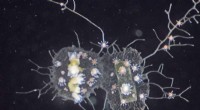
1. Self-renewal: Stem cells have the unique ability to divide and replicate themselves indefinitely, maintaining a pool of undifferentiated cells. This is crucial for replacing damaged or worn-out cells throughout the body.
2. Differentiation: Stem cells can differentiate into specialized cells with specific functions. This means they can become various types of cells, such as:
* Blood cells: Red blood cells, white blood cells, platelets
* Nerve cells: Neurons, glial cells
* Muscle cells: Skeletal muscle, smooth muscle, cardiac muscle
* Bone cells: Osteoblasts, osteoclasts
* Skin cells: Keratinocytes, melanocytes
* Liver cells: Hepatocytes
* Pancreatic cells: Insulin-producing cells
The ability to differentiate into different cell types is what makes stem cells so promising for regenerative medicine and research.
Types of Stem Cells:
* Embryonic stem cells: Derived from embryos, they have the potential to differentiate into any cell type in the body.
* Adult stem cells: Found in various tissues, they are multipotent, meaning they can differentiate into a limited number of cell types.
* Induced pluripotent stem cells (iPSCs): Created by reprogramming adult cells, they have the potential to differentiate into any cell type, similar to embryonic stem cells.
In summary, stem cells' main function is to maintain the body's cell pool by self-renewing and differentiating into specialized cells that replace damaged or worn-out cells.