Passive Transport:
* Simple Diffusion: This is the movement of molecules across the cell membrane from an area of high concentration to an area of low concentration, following the concentration gradient. This requires no energy input from the cell. Examples include oxygen, carbon dioxide, and small, uncharged molecules like water.
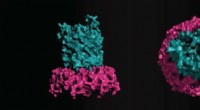
* Facilitated Diffusion: This involves the use of membrane proteins called transport proteins. These proteins bind to specific molecules and help them move across the membrane, still following the concentration gradient. This process is faster than simple diffusion but still doesn't require energy. Examples include glucose transport across red blood cell membranes.
Active Transport:
* Primary Active Transport: This involves the direct use of energy, typically from ATP, to move molecules against their concentration gradient. This requires specialized membrane proteins called pumps. Examples include the sodium-potassium pump, which moves sodium ions out of the cell and potassium ions into the cell, maintaining the cell's electrochemical gradient.
* Secondary Active Transport: This uses the energy stored in the concentration gradient of one molecule to drive the movement of another molecule against its concentration gradient. This still requires membrane proteins, but they don't directly use ATP. Examples include the transport of glucose into intestinal cells, coupled with the movement of sodium ions.
Other Mechanisms:
* Endocytosis: This process involves the cell engulfing large molecules or particles by forming small pockets in its membrane. These pockets then pinch off and become vesicles inside the cell. There are several types of endocytosis, including phagocytosis (engulfing solid particles) and pinocytosis (engulfing fluids).
* Exocytosis: This is the reverse of endocytosis, where the cell releases molecules or particles outside the cell by fusing vesicles containing these substances with the cell membrane.
The specific mechanism used for a particular small molecule depends on its size, charge, and chemical properties, as well as the specific cell type.