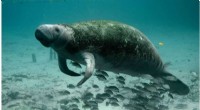
* Animals: All animals, from tiny insects to large whales, rely on cellular respiration to power their bodies.
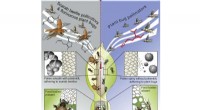
* Plants: While plants make their own food through photosynthesis, they still use cellular respiration to break down glucose and release energy for growth and other processes.
* Fungi: Fungi, like mushrooms and molds, obtain energy by breaking down organic matter through cellular respiration.
* Bacteria: Many bacteria, including those in our gut, use cellular respiration to generate energy.
* Protists: Single-celled organisms like amoeba and paramecium utilize cellular respiration.
Exceptions: There are a few organisms that do not use cellular respiration as their primary energy source. These include:
* Some bacteria: A small number of bacteria, called anaerobic bacteria, can survive and generate energy without oxygen. They use different processes like fermentation.
Overall, cellular respiration is a fundamental process for life on Earth, enabling organisms to harness the energy stored in food molecules and carry out essential functions.