Here's how the nucleus controls life processes:
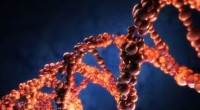
* DNA Replication: The nucleus houses the DNA, which is replicated before cell division to ensure each daughter cell receives a complete copy.
* Transcription: DNA is transcribed into RNA, which carries the genetic information from the nucleus to the ribosomes for protein synthesis.
* Protein Synthesis: The nucleus indirectly controls protein synthesis by providing the instructions for building proteins. Proteins are essential for carrying out virtually every cellular function.
* Cell Division: The nucleus plays a crucial role in mitosis and meiosis, the processes of cell division, ensuring the correct distribution of genetic material to daughter cells.
* Cellular Differentiation: The nucleus regulates gene expression, which determines the type of cell a cell will become during development.
In addition to the nucleus, other cellular components also contribute to the regulation of life processes:
* Ribosomes: They are the sites of protein synthesis, translating the genetic code from RNA into proteins.
* Mitochondria: These organelles are responsible for energy production, providing the energy needed for cellular functions.
* Endoplasmic Reticulum (ER): It's involved in protein folding, modification, and transport, as well as lipid synthesis.
* Golgi Apparatus: It further processes and packages proteins for export or use within the cell.
While the nucleus is the central command center, the interplay between all these cellular components is crucial for maintaining the life and function of a cell.