Natural Factors:
* Lack of food or resources: If there isn't enough food, water, or shelter available, the population will struggle to survive and reproduce. This can be caused by environmental changes like drought, extreme weather events, or habitat loss.
* Predation: If predators become more abundant, they can exert a significant pressure on prey populations, leading to a decline.
* Disease: Outbreaks of disease can decimate a population, especially if the organism has no immunity.
* Competition: If there are too many individuals competing for the same resources, some may not be able to survive and reproduce, leading to population decline.
* Climate change: Shifting temperatures, altered rainfall patterns, and extreme weather events can disrupt ecosystems and negatively impact populations.
* Natural disasters: Floods, wildfires, volcanic eruptions, and other natural disasters can cause widespread death and habitat loss.
Human-Induced Factors:
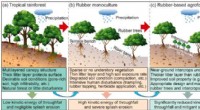
* Habitat destruction: Clearing forests, draining wetlands, and converting land for agriculture or urban development can destroy habitats and displace organisms.
* Pollution: Contamination of air, water, and soil can harm organisms and reduce their ability to survive and reproduce.
* Overhunting or overfishing: When humans harvest organisms faster than they can reproduce, populations can crash.
* Introduction of invasive species: Non-native species can outcompete native organisms for resources, prey on them, or introduce diseases, leading to population decline.
* Climate change: Human activities contribute to global warming, which has many of the same negative impacts on populations as natural climate change.
Other factors:
* Genetic factors: A population with low genetic diversity might be more susceptible to disease or environmental change.
* Inbreeding: Closely related individuals breeding can lead to harmful genetic traits becoming more prevalent.
It's important to note that these factors can often interact and influence each other. For example, habitat destruction can make populations more vulnerable to disease or predation.
Understanding the causes of population decline is crucial for conservation efforts, as it allows us to develop strategies to protect endangered species and maintain healthy ecosystems.