Here's why:
* Primary Disturbance: This refers to a drastic event that completely removes all life and soil from an area. Examples include volcanic eruptions, glacial retreat, and the formation of new islands.
* Pioneer Species: These are hardy organisms that can tolerate harsh conditions and lack of nutrients. They are the first to colonize the barren environment.
Examples of Pioneer Species:
* Lichens: These are symbiotic organisms that can break down rock and create a thin layer of soil.
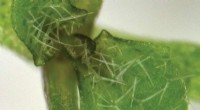
* Mosses: They can grow on bare rock and help retain moisture.
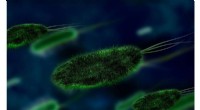
* Bacteria and Fungi: They help decompose organic matter and release nutrients into the soil.
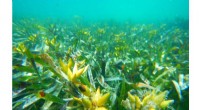
* Certain grasses and wildflowers: These plants have adaptations that allow them to survive in harsh conditions.
The role of pioneer species:
Pioneer species play a crucial role in ecological succession, the gradual process of change in an ecosystem over time. They:
* Improve soil quality: Their actions help create a soil layer, which can support other plants.
* Introduce nutrients: They contribute to the nutrient cycle by breaking down organic matter and releasing nutrients.
* Change the environment: They modify the environment, making it more hospitable for other organisms.
Over time, as the environment becomes more hospitable, pioneer species are replaced by other species, leading to the development of a more complex and diverse ecosystem.