1. Plasma Membrane:
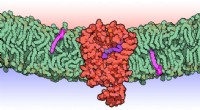
- This thin, flexible outer layer controls what enters and exits the cell.
2. Cytoplasm:
- The gel-like substance within the cell where many cellular processes take place.
3. Nucleus:
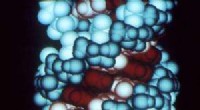
- The "control center" of the cell, containing the genetic material (DNA) in the form of chromosomes.
- The nucleus is enclosed by a double membrane called the nuclear envelope.
4. Ribosomes:
- Small, granular structures responsible for protein synthesis.
- Some ribosomes are found free in the cytoplasm, while others are attached to the endoplasmic reticulum.
5. Endoplasmic Reticulum (ER):
- A network of interconnected membranes that act as a "highway" for transporting materials within the cell.
- The ER can be either rough (studded with ribosomes) or smooth (lacking ribosomes).
- Rough ER plays a role in protein synthesis and folding, while smooth ER is involved in lipid and steroid synthesis, detoxification, and calcium storage.
6. Golgi Apparatus:
- A stack of flattened, membrane-bound sacs that modify, sort, and package proteins and lipids for secretion or delivery to other organelles.
7. Lysosomes:
- Small, membrane-bound sacs that contain enzymes for breaking down cellular waste, damaged organelles, and foreign invaders.
8. Peroxisomes:
- Small, membrane-bound organelles that contain enzymes for breaking down fatty acids and detoxifying harmful substances.
9. Mitochondria:
- The "powerhouses" of the cell, responsible for producing ATP (adenosine triphosphate), the main energy currency of the cell through cellular respiration.
10. Vacuoles:
- Large, fluid-filled sacs that store water, nutrients, and waste products.
- In plant cells, vacuoles are particularly large and play a role in maintaining cell shape and turgor pressure.
11. Cytoskeleton:
- A network of protein fibers that provides structural support, helps with cell movement, and organizes cellular components.
12. Centrioles:
- Found in animal cells and some fungi and algae.
- They play a role in cell division by organizing microtubules to form the spindle fibers.
13. Cell Wall (in plants, fungi, and bacteria):
- A rigid outer layer that provides structural support and protection to the cell.
This list is not exhaustive, but it provides an overview of the major structures found in eukaryotic cells. It is important to note that the specific organelles present and their relative abundance may vary depending on the type of eukaryotic cell.