Here are some examples of decomposers:
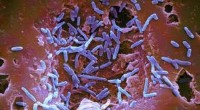
* Bacteria: These are single-celled organisms that are found everywhere in the environment. They break down dead plants and animals, as well as waste products, into simpler substances.
* Fungi: These are multicellular organisms that include mushrooms, molds, and yeasts. They break down dead organic matter through the process of decomposition.
* Insects: Some insects, such as beetles and flies, help break down dead organic matter by feeding on it. They also play a role in aerating the soil.
Decomposers are essential for the health of the environment because they:
* Recycle nutrients: Decomposers break down dead organic matter into simpler compounds that can be used by plants for growth. This process is essential for maintaining the balance of nutrients in the environment.
* Improve soil fertility: Decomposers add organic matter to the soil, which improves its fertility and structure.
* Control disease: Decomposers can help to control disease by breaking down dead organisms and their waste products.
Without decomposers, the planet would be buried in dead organisms and waste products. The nutrients locked up in these materials would not be available for new life, and the ecosystems would eventually collapse.