1. Amino Acid Sequence:
* The primary structure: This is the fundamental difference. Each protein is a chain of amino acids linked together in a specific order. This sequence is determined by the gene that codes for that protein.
* Variations in sequence: Even a single amino acid change can significantly alter a protein's structure and function. For example, sickle cell anemia is caused by a single amino acid substitution in the hemoglobin protein.
2. Three-Dimensional Structure:
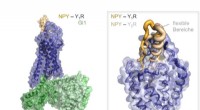
* Folding: The amino acid sequence dictates how a protein folds into a specific three-dimensional shape. This shape is crucial for its function.
* Different folds, different functions: Proteins fold into a variety of shapes, from simple helices and sheets to complex, globular structures. Each shape allows the protein to interact with other molecules in specific ways.
3. Modifications:
* After translation: After a protein is synthesized, it can undergo further modifications, such as the addition of sugars, lipids, or phosphates. These modifications can affect a protein's stability, activity, and interactions with other molecules.
4. Location and Function:
* Different roles: Proteins perform a wide variety of roles in the body, from transporting molecules to catalyzing chemical reactions. Their function is closely tied to their structure and location.
* Cellular compartmentalization: Proteins can be found in different parts of a cell, such as the nucleus, cytoplasm, or cell membrane. Each location reflects a specific function.
In summary, the differences between proteins can be summarized as follows:
* Amino acid sequence: The order of amino acids determines the primary structure and sets the stage for the protein's unique shape and function.
* Three-dimensional structure: The way a protein folds into a specific shape is crucial for its interactions with other molecules.
* Modifications: Post-translational modifications can further diversify protein function.
* Location and function: The location and function of a protein are determined by its unique combination of structure and modifications.
These variations allow proteins to perform a vast array of functions in living organisms, making them essential for life.