1. Cell Type:
* Specialized Cells: Different tissues have specialized cells that are designed for specific functions. For example:
* Muscle tissue contains muscle cells that contract to allow movement.
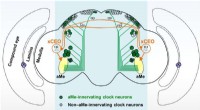
* Nervous tissue contains neurons that transmit electrical signals to communicate throughout the body.
* Epithelial tissue has cells that line surfaces and protect underlying tissues.
2. Cell Arrangement and Structure:
* Shape and Organization: Cells in a tissue can be arranged in different shapes and patterns. For example:
* Connective tissue has cells scattered within a matrix of extracellular material, giving it flexibility and support.
* Epithelial tissue can have cells tightly packed in layers, like the skin, or arranged in single layers, like the lining of blood vessels.
3. Extracellular Matrix:
* The "Glue" of Tissue: The space between cells in a tissue is filled with extracellular matrix, which can vary widely in its composition. This matrix helps to:
* Support cells: Provide structure and strength to the tissue.
* Aid in communication: Allow for signaling between cells.
* Provide nutrients: Transport nutrients and waste products.
4. Function:
* Distinct Roles: The differences in cell type, arrangement, and extracellular matrix all contribute to the unique functions of each tissue type. Here are some examples:
* Muscle tissue: Responsible for movement.
* Nervous tissue: Conducts electrical signals to control bodily functions.
* Connective tissue: Provides support, structure, and insulation.
* Epithelial tissue: Forms barriers, lines surfaces, and aids in secretion and absorption.
In Summary:
The differences in cell type, arrangement, and extracellular matrix result in tissues with distinct functions, allowing for the complex organization and specialization of multicellular organisms.