* Organ Definition: Organs are made up of different tissues working together for a specific function (like your heart, lungs, or stomach).
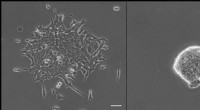
* Animal Cell Structure: Animal cells are single-celled organisms, meaning they are the basic building blocks of life. They have structures called organelles that perform specific functions within the cell.
Examples of Organelles in Animal Cells:
* Nucleus: Controls cell activities and contains DNA.
* Mitochondria: Produce energy for the cell.
* Ribosomes: Make proteins.
* Endoplasmic Reticulum (ER): A network of membranes involved in protein synthesis and lipid metabolism.
* Golgi Apparatus: Packages and sorts proteins and lipids.
So, while animal cells don't have organs, they have organelles that act like mini-organs to keep the cell functioning.