Outermost Layer:
* Plasma Membrane (Cell Membrane): This thin, flexible barrier controls what enters and leaves the cell. It's made of a phospholipid bilayer with embedded proteins.
Internal Structures:
* Cytoplasm: The gel-like substance that fills the cell. It contains the organelles and provides a medium for chemical reactions.
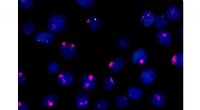
* Nucleus: The "control center" of the cell. It contains the cell's DNA (genetic material) and directs protein synthesis.
* Nuclear Envelope: A double membrane that surrounds the nucleus, controlling what enters and leaves.
* Nucleolus: A dense region within the nucleus where ribosomes are made.
* Chromatin: The DNA and proteins that make up chromosomes.
* Ribosomes: Tiny structures that are the sites of protein synthesis. They can be found free in the cytoplasm or attached to the endoplasmic reticulum.
* Endoplasmic Reticulum (ER): A network of interconnected membranes that serves as a manufacturing and transport system within the cell.
* Rough ER: Studded with ribosomes and involved in protein synthesis and modification.
* Smooth ER: Lacks ribosomes and involved in lipid synthesis, detoxification, and calcium storage.
* Golgi Apparatus: A stack of flattened sacs that modifies, sorts, and packages proteins and lipids for secretion or delivery to other parts of the cell.
* Lysosomes: "Recycling centers" that contain enzymes to break down worn-out cell parts, debris, and ingested substances.
* Mitochondria: "Powerhouses" of the cell. They are responsible for cellular respiration, converting food into energy (ATP).
* Centrioles: Paired cylindrical structures involved in cell division (mitosis). They help organize microtubules.
* Vacuoles: Fluid-filled sacs that store water, nutrients, and waste products. They are larger in plant cells.
Additional Structures (May Vary):
* Cytoskeleton: A network of protein filaments that provide structural support, help with cell movement, and transport materials within the cell.
* Microvilli: Finger-like projections that increase the surface area of cells for absorption (common in the intestines).
* Cilia and Flagella: Hair-like projections that aid in movement. Cilia are short and numerous, while flagella are longer and fewer.
Let me know if you'd like more detailed information on any of these cell parts!