Here's why:
* Biotic Features: These are the living components of an ecosystem, like plants, animals, fungi, and bacteria. Human activities like deforestation, agriculture, pollution, and introduction of invasive species directly impact these living components.
* Abiotic Features: These are the non-living components of an ecosystem, like air, water, soil, sunlight, and temperature. Human activities like mining, damming rivers, burning fossil fuels, and urbanization can significantly alter these abiotic features.
For example:
* Deforestation: This removes trees (biotic component), leading to soil erosion (abiotic change) and altered water cycles (abiotic change).
* Pollution: This can introduce harmful chemicals into water (abiotic change) and kill fish (biotic change).
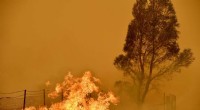
* Climate Change: This is largely driven by human activities like burning fossil fuels, leading to changes in temperature (abiotic change) and impacting species distribution and migration patterns (biotic change).
In conclusion, human activities have a profound impact on both the living and non-living parts of an ecosystem. It's crucial to understand how these changes interact and to find sustainable ways to minimize negative impacts.