Here are some key characteristics of free-living organisms:
* Independent: They don't depend on other organisms for survival.
* Self-sufficient: They obtain their own food and energy.
* Capable of reproduction: They can reproduce independently and pass on their genetic material.
* Not parasitic: They don't live in or on another organism, feeding off of it.
* Not symbiotic: They don't have a mutually beneficial relationship with another organism.
Examples of free-living organisms include:
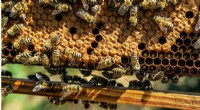
* Animals: lions, tigers, bears, birds, fish, insects
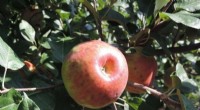
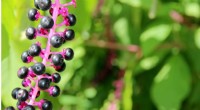
* Plants: trees, flowers, grasses
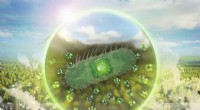
* Bacteria: many species of bacteria
* Fungi: mushrooms, molds
* Protists: amoeba, paramecium
In contrast to free-living organisms, there are:
* Parasites: organisms that live in or on another organism (host) and feed off of it.
* Symbionts: organisms that have a mutually beneficial relationship with another organism.
It's important to note that some organisms can be both free-living and parasitic, depending on their life cycle or environment.