Here's why:
* Uni means "one" and cellular refers to cells.
* These organisms are self-sufficient, meaning they can perform all the essential functions of life like obtaining nutrients, converting energy, responding to stimuli, and reproducing, within the boundaries of a single cell.
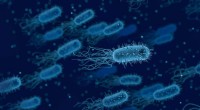
Some examples of unicellular organisms include bacteria, amoebas, and yeast.