1. Food Webs and Predation:
* Predator-Prey: One species (predator) hunts and consumes another species (prey). This relationship regulates population sizes of both.
* Herbivores-Plants: Herbivores feed on plants, impacting plant populations and influencing the landscape.
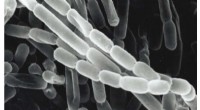
* Decomposers: Bacteria and fungi break down dead organisms, returning nutrients to the ecosystem, and influencing soil health.
2. Competition:
* Interspecific Competition: Species compete for the same limited resources (food, space, mates, etc.). This can limit populations and influence which species thrive in a particular environment.
* Exploitation Competition: Species indirectly compete by consuming resources, reducing their availability for others.
* Interference Competition: Species directly interact, physically preventing others from accessing resources.
3. Symbiosis:
* Mutualism: Both species benefit from the relationship. Examples: Bees pollinating flowers, clownfish living in anemones.
* Commensalism: One species benefits, while the other is neither harmed nor helped. Examples: Barnacles on whales, birds nesting in trees.
* Parasitism: One species (parasite) benefits at the expense of another species (host). Examples: Ticks on deer, tapeworms in intestines.
4. Other Interactions:
* Amensalism: One species is harmed, while the other is unaffected. Examples: Black walnut trees releasing chemicals that inhibit the growth of other plants.
* Neutralism: Neither species impacts the other. This is rare in nature, as even seemingly unrelated species can indirectly influence one another.
5. Evolutionary Connections:
* Co-evolution: Species evolve together, influencing each other's evolution. This can create highly specific relationships, like those between parasites and hosts.
* Phylogeny: The evolutionary history of species, showing how they are related through common ancestors. Understanding phylogeny helps us understand the connections between diverse life forms.
Consequences of Connections:
* Ecosystem Stability: Species interactions help maintain balance in ecosystems. For example, predators keep prey populations in check, and decomposers recycle nutrients.
* Species Diversity: The complexity of interactions allows for a greater variety of species to coexist in an ecosystem.
* Resilience: Healthy ecosystems are more resilient to disturbances due to the interconnectedness of species.
Understanding the connections between species is crucial for:
* Conservation Efforts: Protecting endangered species requires understanding the web of interactions they are part of.
* Management of Resources: Sustainable resource management requires considering the impact on various species and their interconnectedness.
* Predicting Ecological Change: Understanding how species interact allows us to better predict the consequences of environmental changes.
Overall, the connections between different species are intricate and essential for the functioning of the natural world. They are a constant source of fascination and scientific inquiry.