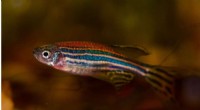
* Multicellular organisms are made of many cells. These cells work together, often specializing in different tasks.
* Unicellular organisms are single-celled. They don't have multiple cells.
So, do multicellular organisms "need" unicellular organisms? Not in the sense that they rely on them for survival in the same way they need oxygen or food.
However, there are some important connections:
* Evolutionary origin: Multicellular life likely evolved from single-celled ancestors. So, in that sense, all multicellular life "needs" unicellular life in the past to exist today.
* Ecosystem balance: Unicellular organisms play crucial roles in ecosystems. They are decomposers, producers, and part of the food chain, which are all important for the well-being of multicellular organisms.
* Symbiosis: Some multicellular organisms have symbiotic relationships with unicellular organisms. For example, our gut microbiome is made up of trillions of bacteria that help us digest food and maintain health.
In conclusion: While multicellular organisms don't "need" unicellular organisms in a direct, everyday sense, there are important historical, ecological, and symbiotic connections between the two.